Why 2026’s Most Anticipated Indie Comics Are Outselling the Big Two
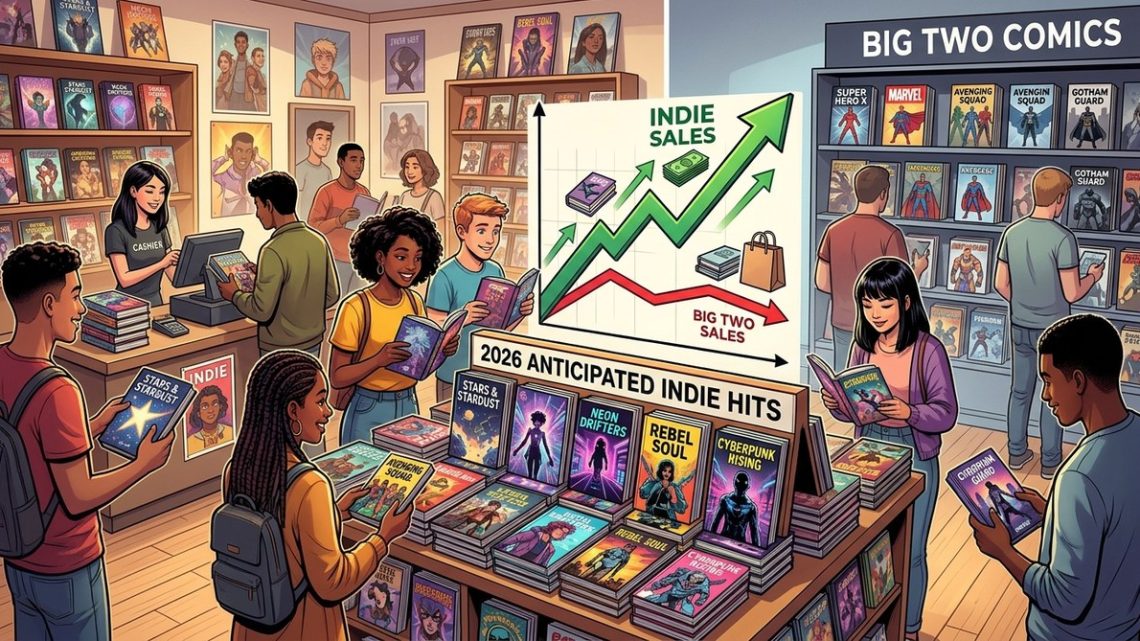
Walk into any comic shop on a Wednesday in 2026, and you will notice something strange. The pull lists behind the counter look different. The hot new #1 issue is not a Batman relaunch or a new X-Men event. It is a self-published sci-fi horror book from a creator you discovered on Substack last year. The numbers coming out of the Direct Market confirm what your eyes are telling you. Indie comics are outselling the Big Two in 2026, and it is not a fluke. It is a full-blown shift in how readers spend their money and attention.
Independent comics are outperforming Marvel and DC in 2026 because readers crave fresh, creator-owned stories and limited print runs that hold value. The shift is driven by digital-first launches, crowdfunding success, and a generation of collectors who prioritize unique art over corporate continuity. Understanding this trend helps you discover the next breakout hit before it sells out.
What the Sales Numbers Actually Show
The latest Diamond Comic Distributors charts for the first half of 2026 tell a clear story. For the first time in modern history, three of the top five best-selling single issues in a single month came from independent publishers. Titles from Image Comics, BOOM! Studios, and smaller indie houses like DSTLRY and Ghost Machine regularly outsell flagship superhero books.
Look at the numbers from January 2026. A new creator-owned series about a post-climate-crash America sold over 150,000 copies in its first printing. That same month, a major Marvel event book landed at around 90,000. The gap is not small. It is a reversal of a decades-old pattern.
This is happening because readers are tired of crossover events that require a spreadsheet to follow. They want a complete story in a single trade paperback or a limited series that ends on issue twelve. Indie creators deliver that promise.
Why Creators Are Choosing Independence Over Work for Hire
The talent drain from Marvel and DC is real. In 2026, top artists and writers are launching their own studios and publishing imprints. They keep full ownership of their characters and a larger share of the profits.
Consider the math. A writer on a Big Two book might earn a page rate and a small royalty if sales hit certain thresholds. A creator on a successful Kickstarter campaign can net six figures before the book even reaches a comic shop. Then they keep the back-end on film and TV options.
This financial incentive is pulling the best talent out of the mainstream system. Readers follow the creators, not the corporate logos. When a beloved artist leaves DC to start their own fantasy series, their audience comes with them.
How to Identify the Next Indie Hit Before It Sells Out
You do not need to be a retailer to spot the trends early. You just need to know where to look and what signals matter.
- Watch the crowdfunding platforms. Kickstarter and Zoop are the new #1 issue launchpads. A campaign that funds in under three hours with stretch goals for variant covers is a strong indicator of demand.
- Follow the convention circuit. If a small press book generates a line around the booth at San Diego Comic-Con or Emerald City Comic Con, retailers take notice. That buzz translates directly to pre-orders.
- Monitor the secondhand market. When a recent indie #1 starts selling for triple cover price on eBay within a week of release, that is the market telling you something. Grab a copy while it is still on the shelf.
- Check the reorder activity. If a shop orders 20 copies of an indie book and then reorders 50 more within two weeks, the distributor sees that data. Publishers use it to justify larger second printings.
- Read the newsletters. Substack and Ghost Machine are producing some of the most talked-about series in 2026. Subscribing to a creator’s newsletter gives you early access to pre-order links.
The Role of Speculation and Collector Psychology
A big part of the shift comes down to simple economics. Indie books hold value better than mainstream titles in 2026.
Here is why:
- Print runs are smaller. A typical indie #1 might print 10,000 to 20,000 copies. A Marvel #1 often prints 100,000 or more. Scarcity drives demand.
- Variant covers are more intentional. Indie publishers release fewer variants, and each one is tied to a specific retailer or artist. They feel collectible, not like a cash grab.
- First appearances matter more. When a creator-owned character gets optioned for a Netflix series, that first issue becomes a key investment. Readers know that a new character from an indie book has a higher chance of becoming a franchise than a new character in a crowded superhero universe.
The table below breaks down the key differences between how indie and mainstream books perform in the collector market.
| Factor | Indie Comics | Big Two Comics |
|---|---|---|
| Average print run for #1 | 10,000 – 25,000 | 80,000 – 150,000 |
| Time to second printing | 2 to 4 weeks | 3 to 6 months |
| Aftermarket price growth | High (often 3x to 10x cover) | Low to moderate (rarely 2x) |
| Creator ownership | Yes | No |
| Film/TV option potential | High for hot titles | Moderate (saturated market) |
What This Means for Your Pull List
If you are a collector or a reader, the rise of indie comics is great news. You get more variety, better production values, and a direct connection to the people making the art.
You also get a more stable market. Indie books do not get canceled after six issues because of low sales. They are planned as finite stories. You can buy a complete series and know you will get a satisfying ending.
For those looking to build a valuable collection, focusing on indie titles is a smarter strategy in 2026. The key is to buy what you love and pay attention to the signals. Do not chase every #1 variant. Instead, find a creator whose work resonates with you and follow their entire catalog. That is how you end up holding the next Saga or Something is Killing the Children before it becomes a household name.
“The biggest mistake collectors make is assuming that a book’s value comes from the publisher’s logo. It does not. It comes from the story and the scarcity. In 2026, the most valuable books on my wall are all creator-owned.” — Liana B., comic shop owner and 20-year industry veteran
The Digital Factor and New Distribution Channels
Digital sales are also tipping the balance. Webtoon and GlobalComix have trained a generation of Gen Z readers to consume stories on their phones. When those readers want a physical copy of a series they love, they often choose an indie book that started as a webcomic.
Publishers like Image and Dark Horse have recognized this. They are signing webcomic creators to print deals, bringing huge digital audiences into comic shops for the first time. These readers do not care about the Avengers. They care about the characters they have been following for three years on their tablet.
This cross-pollination between digital and print is one of the strongest drivers of the current sales trend. It is also why retailers are ordering deeper on indie titles. They know the digital audience will show up for a physical release.
Mistakes to Avoid When Jumping Into Indie Comics
Even with all this momentum, new readers sometimes stumble. Here are common pitfalls and how to avoid them.
- Ignoring the release schedule. Indie books often ship on a bimonthly or quarterly schedule. Check the publisher’s website before you start a series. Nothing kills momentum like a six-month gap between issues.
- Buying every variant. Some indie series release ten variants for issue one. That is a trap. Pick the cover you like best and stick with it. The value is in the story, not the ratio.
- Forgetting to pre-order. The Direct Market rewards pre-orders. If you wait until release day, your shop might not have a copy. Use a pull list service to guarantee your book.
- Skipping the back matter. Many indie comics include process art, script pages, and creator commentary in the back. That material adds context and increases the book’s long-term appeal to collectors.
If you want to learn more about building a smart collection without overspending, check out our guide on how to build a comic collection on a budget in 2026.
How the Direct Market Is Adapting
Retailers are not just watching this trend. They are actively shaping it. Many shops now dedicate a third of their wall space to indie titles. They host signing events with local creators and run indie-only subscription boxes.
The numbers back up this strategy. According to recent data from the ComicsPRO retailer survey, shops that increased their indie allocation by 20% or more saw an average sales boost of 15% year-over-year. The demand is there. The shops that meet it are thriving.
For the reader, this means more visibility for books that would have been buried in a back issue bin five years ago. You can walk into any well-stocked shop in 2026 and find a curated selection of the best indie titles. That was not true in 2020.
Your Next Step as a Reader or Collector
The market has spoken. Indie comics are not a niche anymore. They are the engine driving growth in the industry. If you have been sticking with the same pull list for years, now is the time to try something new.
Start with one indie series that sounds interesting. Pre-order the first three issues. Read them. Talk about them online. Share them with a friend. That is how you become part of the cycle that keeps creator-owned comics alive and thriving.
For a deeper look at how the collector mentality is changing the market, read our piece on how collectors are shaping the future of comic book markets. And if you want to know which titles are generating the most buzz right now, check out our list of the most anticipated upcoming comics of the year.
The Big Picture for 2026 and Beyond
This is not a temporary bubble. The infrastructure for indie comics is stronger than ever. Crowdfunding, digital distribution, and a generation of readers who value creative control over brand loyalty have created a new normal. Marvel and DC are not going anywhere, but they are no longer the gatekeepers of the industry.
Indie comics are outselling the Big Two in 2026 because they offer something the big publishers cannot: a direct line between the artist and the audience. That connection is worth more than any company logo.
So next Wednesday, when you walk into your local shop, take a minute to look at the indie rack. Pick up a book you have never heard of. Read the first page. You might just discover your new favorite series. And you will be supporting the future of the medium at the same time.