Why Independent Comics Are Dominating the Industry in 2026
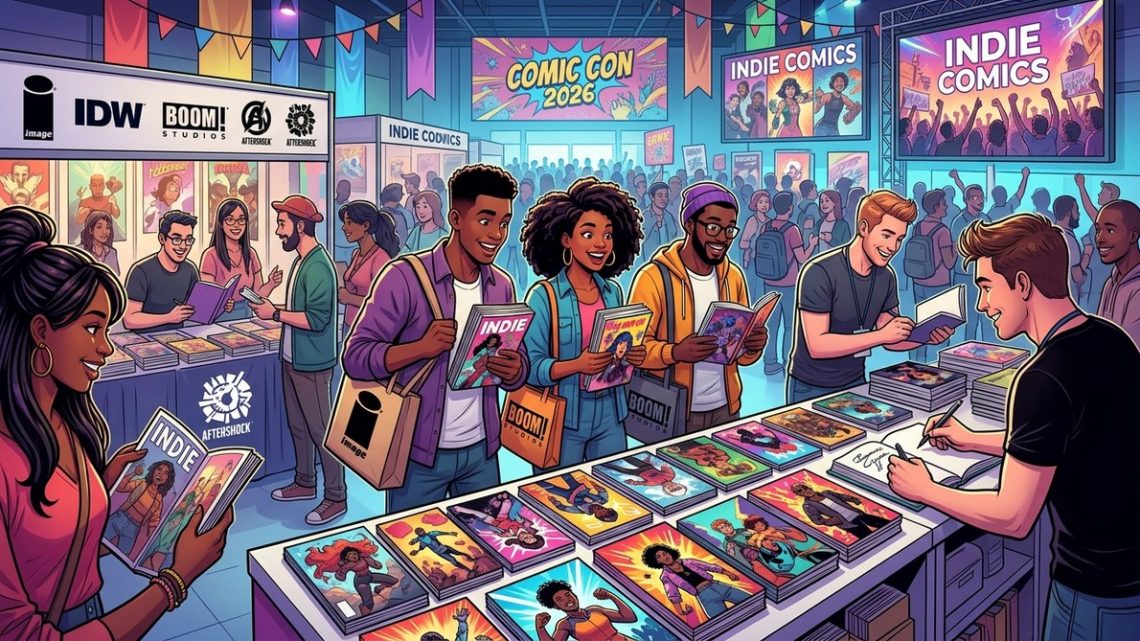
If you walked into a comic shop in 2026, you would notice something different. The front tables are no longer stacked with just capes and cowls. Instead, you see bold, colorful covers from Image, BOOM! Studios, and small press imprints. Readers are grabbing multiple indie issues, discussing them on social media, and coming back for more. The monopoly of the Big Two is fading. Independent comics are not just surviving; they are leading the charge. So what changed? Let’s break down exactly why indie comics are dominating 2026 and what it means for everyone from readers to investors.
Independent comics now claim a record share of the direct market, driven by creator ownership, bold storytelling, and a loyal fan base that craves originality. In 2026, the industry has hit a tipping point where indie titles routinely outsell many mainstream books. This shift rewards risk-taking and community engagement over formulaic superhero arcs.
The Numbers That Tell the Real Story
Let’s get the evidence straight. Industry data from 2025 and early 2026 shows a clear trend. Independent publishers have captured more than 40% of the direct market unit share for the first time. Image Comics alone accounted for over a fifth of all comics sold in February 2026, topping both Marvel and DC in sales that month. Diamond Comic Distributors’ bankruptcy reshuffled the deck, but smaller distributors like Lunar and UCS stepped up, making indie titles easier to order.
- Image Comics held the #1 market share in February 2026.
- BOOM! Studios and Dark Horse grew their monthly sales by an average of 18% year over year.
- Kickstarter-funded comics saw a 32% increase in project funding in 2025 vs. 2024.
- Digital-first indie series on platforms like Webtoon and Global Comix routinely convert to print runs of 10,000+ copies.
- The number of new indie #1 issues released per month hit a record high of 150 in early 2026.
These numbers are not a fluke. They reflect a fundamental shift in how comics are made and consumed. For a deeper look at how creator-owned stories are reshaping fan expectations, check out our article on the evolution of indie comics.
Why Readers Are Flocking to Indie Titles
The reasons are simple. Readers want stories that feel personal, unpredictable, and fresh. Here are the three main drivers.
-
Creative freedom and ownership. Creators at Image, Dark Horse, and smaller presses retain full rights to their work. They can kill a character, change a genre midway, or end the series on their own terms. That freedom leads to tighter, more inventive storytelling than the committee-approved crossovers at the Big Two.
-
Diverse voices and representation. Independent comics feature protagonists of every background, identity, and life experience. A reader can find a slice-of-life drama about a queer teen in rural Texas, a horror series set in a Vietnamese refugee community, or a sci-fi epic written by a nonbinary author. Readers see themselves in those pages, and they reward that connection with loyalty.
-
Lower entry price and simpler continuity. Most indie issues cost $3.99 instead of $5.99. You do not need to follow 20 years of backstory. Each issue is a self-contained chapter that respects your time. New readers often start with an indie title because they can pick it up without a reading guide.
These factors build a virtuous cycle. More readers lead to more word-of-mouth buzz, which leads to collection deals, adaptations, and even film or TV options. If you want to see what’s coming next, check out the most anticipated upcoming comics of the year.
How the Big Two Lost Their Grip
Marvel and DC are not dead. Far from it. But their dominance has slipped. Let’s compare how they stack up against indie publishers in 2026.
| Factor | Major Publishers (Marvel/DC) | Independent Publishers |
|---|---|---|
| Average issue price | $4.99 – $5.99 | $3.99 |
| Frequency of relaunches | Every 12-18 months per title | Non, unless the creator decides |
| Reader loyalty driver | Brand loyalty to characters | Loyalty to specific creators |
| Diversity of genres | Mostly superhero, some horror | Everything from romance to historical fantasy |
| Creative control | Corporate editorial approval | Creator owns IP |
| Print run size per issue | 30,000 – 100,000+ | 5,000 – 25,000 (often sells out) |
The table shows a clear split. Big publishers rely on massive print runs that often go to discount bins. Indie publishers use smaller, more targeted print runs that sell through at a higher rate. This efficiency means indie books are more profitable per copy, even at a lower price.
A Step-by-Step Guide to Finding Your Next Indie Obsession
Want to jump into the indie scene but do not know where to start? Follow these steps.
-
Browse the top sellers list. Visit a site like comiXology or your local shop’s weekly pull list. Look for titles from Image, BOOM!, Dark Horse, or Aftershock that have been running for at least six issues (shows staying power).
-
Check creator followings on social media. Search for the writer and artist on Twitter or Instagram. See if they post actively and engage with fans. That energy often translates into consistent quality.
-
Read the first issue for free. Many indie #1 issues are available as free previews on sites like Global Comix or even on the publisher’s website. If the hook grabs you by page five, buy the trade.
-
Join a community. Reddit communities like r/IndieComics or Discord servers dedicated to specific series offer recommendations and spoiler-free impressions. Ask what people are reading this month.
-
Support via crowdfunding. Platforms like Kickstarter and Zoop let you back upcoming projects directly. You often get exclusive covers or bonus content. This is a direct way to help a creator fund the next arc.
-
Pre-order at your local shop. Indie books have smaller print runs. If you wait a month, they may be out of stock. Pre-ordering also signals demand to the store.
For a curated list of entry points, see our top 10 must-read comics for new fans.
What Industry Insiders Are Saying
“In 2026, the audience has become tougher. They have been burned by endless relaunches and decompressed storytelling. Indie comics win because they give you a complete, satisfying story in every arc. The readers reward that respect. I have seen new creators sell out their first Kickstarter in six hours. That would have been impossible five years ago.”
— Lena Vasquez, creator of Ghost Circuit (Image Comics, 2025–2026)
This sentiment is echoed by retailers. Many shop owners report that their top-selling single issue of the month is now an indie book. The shift is not just at the top; it ripples through the entire ecosystem.
What the Rise of Indie Means for Investors and Collectors
If you are an investor looking at the long game, this trend matters. First printings of key indie series that later get adapted into TV shows or movies have seen value spikes. For example, The Department of Truth and Something is Killing the Children both saw back-issue prices triple after adaptation announcements. In 2026, the adaptation pipeline is fuller than ever, with at least a dozen indie properties in development at Netflix, Amazon, and HBO.
Collectors are also shifting focus. Instead of hoarding modern variants from the Big Two, they are hunting for low-print-run indie gems. Second and third prints of indie #1 issues now hold value better than mass-produced Marvel variants. To understand how this affects the market, read how collectors are shaping the future of comic book markets.
But pay attention: not every indie book will become a hit. The key is to support creators whose work you genuinely love. That is the best investment strategy. Vintage collecting is also gaining new heat; check out why vintage comic collecting is making a comeback in 2026 for a parallel trend.
The Road Ahead: What This Shift Means for 2026 and Beyond
Independent comics are not a passing trend. They are the new normal. The infrastructure that supports them (digital storefronts, crowdfunding, direct-to-retailer distribution) is stronger than ever. Readers have proven they will pay for bold, creator-driven work. The Big Two are adapting by licensing indie creators or launching smaller imprints, but they cannot replicate the authenticity of a true indie.
For creators, this is the golden age. You do not need a deal with Marvel to make a living from comics. With a strong Kickstarter, a consistent webcomic, and a retail presence, you can build a career. For readers, the bounty is unmatched. Every week brings new worlds, new faces, and new risks.
The only question is: what will you read next? If you are looking for something fresh, start with an indie title that makes you feel something. That is where the magic lives.