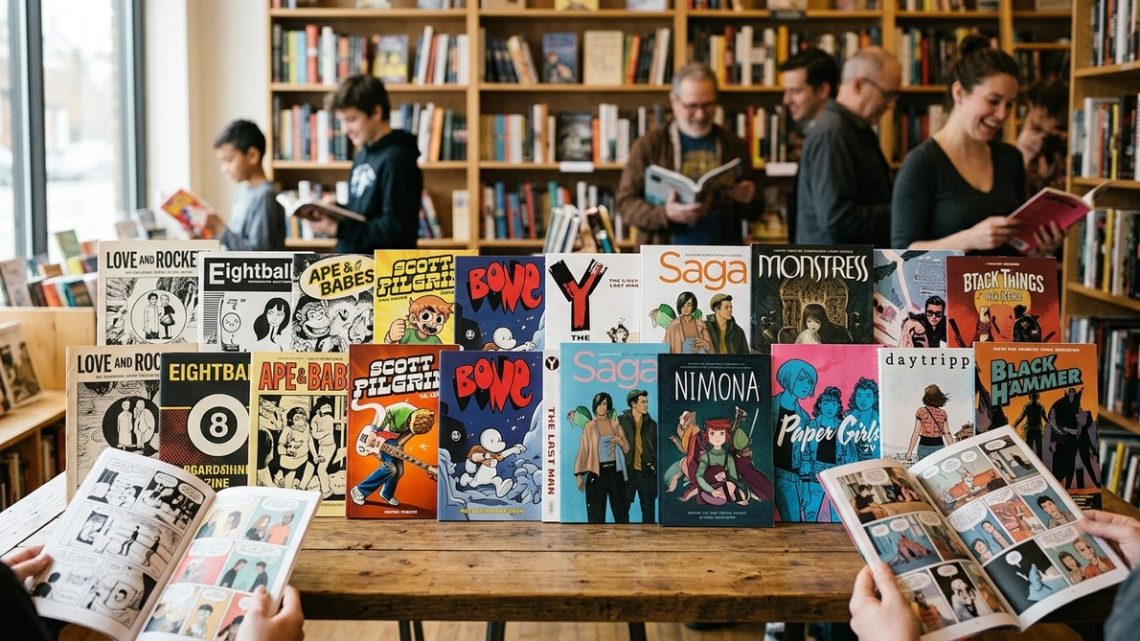
Exploring the Evolution of Indie Comics and What It Means for Fans
Comic enthusiasts and newcomers alike have watched the landscape of comics shift dramatically over the past few decades. The emergence of indie comics has transformed the industry, giving voice to diverse stories and creators outside the mainstream giants. From underground zines to widely recognized brands, the journey of indie comics reflects both creative independence and the changing tastes of fans. Understanding this evolution not only deepens appreciation but also highlights opportunities for new creators and fans to participate in this vibrant scene.
The evolution of indie comics shows a shift from underground, self-published works to mainstream recognition, driven by digital tools and a passionate community. Fans benefit from diverse stories and new voices that challenge traditional norms, making indie comics a vital part of modern pop culture.
Origins of indie comics and their underground roots
The story of indie comics begins largely in the underground scenes of the 1960s and 70s. Artists sought to escape the constraints of mainstream publishers, creating works that reflected their personal visions and countercultural ideas. These comics often circulated through small print runs or hand distribution, forming a tight-knit community of fans and creators. Titles like Zap Comix and Love and Rockets exemplified this spirit of independence and experimentation.
During this period, underground comics pushed boundaries with provocative content, artistic styles, and themes that mainstream comics wouldn’t touch. They became a safe space for voices that challenged societal taboos and expressed alternative viewpoints. This foundation laid the groundwork for what would become the modern indie scene, emphasizing creator control and innovative storytelling.
The rise of indie comics in the digital age
The digital revolution has transformed indie comics from niche underground publications to a thriving industry. The advent of the internet allowed creators to reach audiences directly without relying on traditional publishers. Platforms like webcomics, social media, and crowdfunding sites such as Kickstarter and Indiegogo opened new pathways for distribution and funding.
This democratization of publishing empowered diverse voices to flourish. Creators could experiment with formats, genres, and art styles, often engaging with their audiences in real time. The rise of digital comics also made it easier to access indie works worldwide, breaking down geographical barriers.
Crowdfunding, in particular, has played a pivotal role in financing projects that might otherwise struggle to find backing. Many indie creators now launch campaigns that not only fund their comics but also build loyal communities around their work. This shift has helped indie comics grow into a significant force within the broader comic industry.
How indie comics differ from mainstream offerings
Indie comics often emphasize personal storytelling, artistic experimentation, and thematic diversity. Unlike mainstream titles that usually follow established franchise models or corporate branding, indie works tend to prioritize creator control and unique voices.
Some key distinctions include:
- Creative freedom: Indie creators are not bound by corporate mandates, allowing for more daring or unconventional stories.
- Diverse genres: From autobiographical works to experimental art projects, indie comics cover a broad spectrum.
- Audience engagement: Crowdfunding and social media foster close relationships between creators and fans.
- Lower production costs: Digital tools reduce barriers, making it easier for newcomers to publish and distribute their work.
This approach results in a vibrant mosaic of comic styles and stories that challenge traditional notions of what comics can be.
Practical steps for aspiring indie comic creators
For those interested in entering the indie scene, here are some straightforward steps:
- Develop your concept and style. Think about what stories you want to tell and how your unique voice can stand out.
- Master your tools. Learn digital art software like Clip Studio Paint or Procreate, or hone traditional drawing skills.
- Build an audience. Share your work on social media platforms, webcomic sites, or participate in local comic events.
- Funding your project. Consider launching a crowdfunding campaign to finance production and create buzz.
- Publish and distribute. Use digital distribution channels or print-on-demand services to reach your readers.
Following these steps can help turn a passion project into a published comic that resonates with audiences.
Techniques and mistakes in indie comic creation
| Techniques | Mistakes to avoid |
|---|---|
| Using digital tools for flexibility | Overcommitting without planning |
| Engaging with your community | Ignoring feedback from readers |
| Crowdfunding campaigns with clear goals | Failing to promote your work consistently |
| Developing a consistent art style | Rushing the production process |
| Collaborating with other creators | Neglecting copyright and licensing issues |
“The key to success in indie comics is balancing artistic vision with audience engagement. Always listen to your readers and stay true to your voice.” — industry veteran
The impact of indie comics on mainstream culture
Indie comics have significantly influenced mainstream media. Many popular creators started in the indie scene before crossing over to larger publishers or mainstream entertainment. Titles like Saga and Black Hole have gained critical acclaim and commercial success, demonstrating that innovative stories can thrive beyond underground circles.
Furthermore, indie comics often push boundaries that lead to broader conversations about diversity, representation, and storytelling techniques. Their success encourages larger publishers to seek out fresh voices and more diverse content, enriching the entire industry.
Future prospects for indie comics and their fans
The future of indie comics looks promising. As technology continues to evolve, new tools and platforms will make publishing even more accessible. Virtual reality and augmented reality could open up new storytelling dimensions, providing immersive experiences for fans.
Additionally, as audiences become increasingly interested in authentic, diverse stories, indie creators are well-positioned to meet this demand. The community-driven nature of indie comics fosters a culture of innovation and inclusion, ensuring that the scene remains dynamic and vibrant.
How fans can support indie comics today
Fans play a crucial role in the growth of indie comics. Here are some ways to get involved:
- Follow and share your favorite creators on social media.
- Attend local comic conventions and events.
- Back crowdfunding campaigns to help bring new projects to life.
- Purchase digital or print copies directly from creators.
- Participate in online discussions and reviews to build awareness.
Engaging with indie comics not only supports individual artists but also helps sustain a diverse and creative industry.
The dynamic story of indie comics shaping a new era
The journey of indie comics from underground movements to influential cultural phenomena reflects a larger shift towards creative independence and community engagement within the comic world. As technology and audiences evolve, indie comics will continue to push boundaries and redefine what comics can achieve.
Remember, anyone with a story to tell can take part in this ongoing evolution. Whether as a creator or a dedicated fan, you are part of a movement that champions originality, diversity, and artistic freedom.
If you’re considering starting your own comic journey, begin by honing your craft, sharing your work, and connecting with others. The indie scene offers a rich landscape full of opportunities to grow and contribute.
Unleashing new voices in a shifting landscape
The evolution of indie comics demonstrates that passion and innovation thrive outside traditional structures. For fans and creators alike, this scene offers a chance to participate in storytelling that is real, raw, and unfiltered. Keep supporting independent work and consider creating your own. The future of comics belongs to those willing to challenge the norm and share their unique perspective.