The Rise of Digital Comics in 2026: What Fans Need to Know
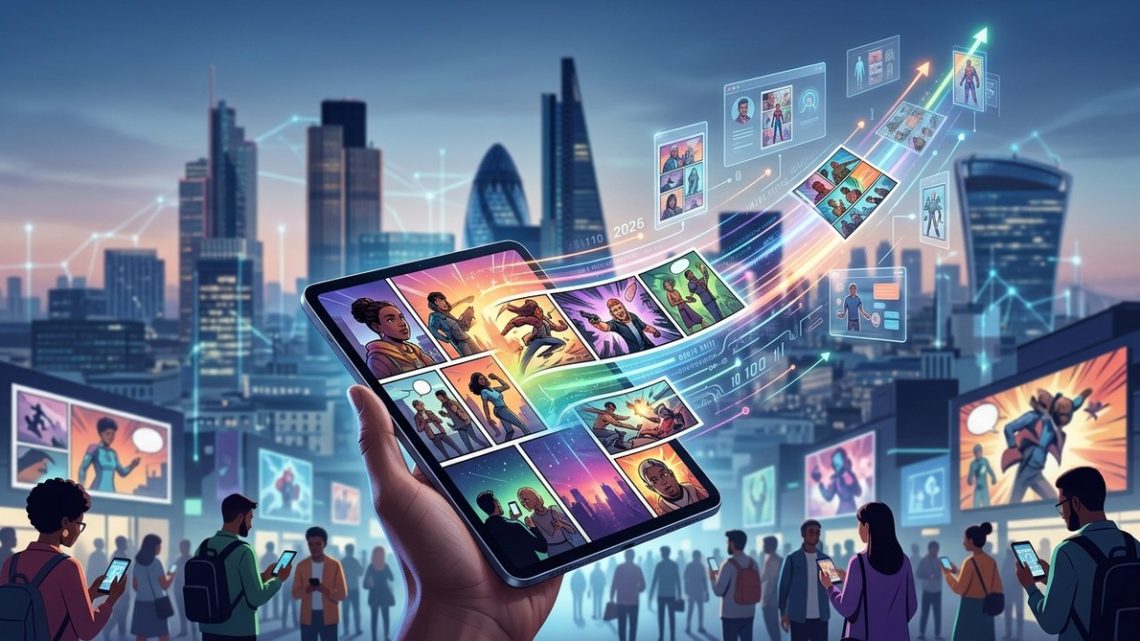
Digital comics are experiencing a remarkable transformation in 2026. As technology advances and fan preferences evolve, the comic industry is shifting towards innovative formats, immersive experiences, and new ways to connect with audiences. For enthusiasts and industry insiders alike, understanding these digital comics 2026 trends is essential to stay ahead of the curve. Whether you’re a casual fan or a dedicated collector, the landscape of digital storytelling is changing fast, offering exciting possibilities for everyone.
Digital comics in 2026 are driven by technological innovations like AR and AI, new storytelling formats, and increased fan engagement, reshaping how comics are created, distributed, and experienced worldwide.
The Rise of Immersive Technologies in Digital Comics
One of the most striking digital comics 2026 trends is the integration of immersive technologies such as augmented reality (AR) and virtual reality (VR). These tools allow fans to step inside their favorite stories, interact with characters, and explore worlds in ways that were once impossible with traditional comics. Publishers and creators are experimenting with AR overlays that bring panels to life when viewed through smartphones or AR glasses. Meanwhile, VR experiences enable fans to walk through comic worlds in 360 degrees, making storytelling more engaging and interactive.
How AR and VR are Changing Comic Experiences
- Enhanced interactivity: Readers can tap on elements within a comic to unlock behind-the-scenes content or character backstories.
- Immersive storytelling: Virtual environments let fans explore comic worlds firsthand, deepening emotional connection.
- New revenue streams: Digital comics that leverage AR and VR can offer premium experiences, collectibles, and virtual events.
“The future of digital comics lies in making stories more alive,” says tech futurist Lisa Chen. “AR and VR are not just gimmicks but essential tools to deepen engagement and expand storytelling horizons.”
New Formats and Platforms for Digital Comics
Traditional comic formats are evolving in 2026. Short-form comics, animated digital strips, and interactive story apps are gaining popularity. Platforms like dedicated apps, social media channels, and even gaming consoles are becoming primary outlets for comics. This diversification enables publishers to reach wider audiences and adapt to changing consumption habits.
Practical ways to access digital comics
- Download dedicated comic apps that offer exclusive content.
- Follow your favorite creators on social media for serialized updates.
- Engage with interactive comics that incorporate animations and sound.
Common pitfalls to avoid
| Techniques | Mistakes to avoid |
|---|---|
| Using static images only | Overloading with animations that distract |
| Relying solely on one platform | Ignoring platform-specific features |
| Ignoring audience feedback | Neglecting mobile optimization |
AI and Automation Transforming Comic Creation
Artificial intelligence is revolutionizing how digital comics are created. AI-powered tools assist artists in generating backgrounds, coloring, and even scripting. This speeds up production and allows creators to experiment with innovative storytelling techniques. AI also helps personalize content for different audiences by analyzing preferences and suggesting tailored storylines.
How creators benefit from AI
- Faster production cycles
- Enhanced artistic options
- Personalized comic recommendations
Mistakes to watch out for
- Over-relying on automation, losing authentic voice
- Ignoring the importance of human oversight
- Creating overly generic stories that lack depth
“AI is a game-changer for indie creators,” notes comic artist Marcus Lee. “It lowers barriers and opens new pathways for storytelling, but human touch remains essential.”
Increasing Fan Engagement and Community Building
Digital comics in 2026 are more than just reading material—they’re platforms for interaction. Many publishers now incorporate social features such as commenting, polls, and fan art contests directly within their digital outlets. Live events, virtual conventions, and creator Q&As strengthen community bonds.
Tips for engaging with digital comics communities
- Participate in online discussions and fan forums
- Share your own artwork and fan theories
- Attend virtual signings and live streams
Common mistakes in community engagement
- Spamming or self-promotion
- Ignoring community guidelines
- Focusing only on consumption, not contribution
Market Dynamics and Consumer Preferences
The digital comics market is expanding rapidly, with global sales expected to surpass 10 billion dollars in 2026. The shift to digital has made comics more accessible, especially for younger audiences who prefer mobile devices and social media. Meanwhile, collectors are increasingly interested in limited edition digital assets, such as NFTs representing rare comics or artwork.
How industry players are adapting
- Offering tiered subscription models
- Collaborating with tech firms for innovative formats
- Developing localized content for diverse markets
Common pitfalls in market strategy
| Techniques | Mistakes to avoid |
|---|---|
| Focusing solely on Western markets | Ignoring regional tastes and languages |
| Overpricing digital assets | Underestimating fan willingness to pay |
| Neglecting data analytics | Missing insights into consumer behavior |
Looking Ahead: The Future of Digital Comics in 2026 and Beyond
Digital comics are poised to become even more integrated into daily life. As 5G networks roll out and cloud computing advances, seamless streaming of high-quality comics and interactive experiences will become standard. Meanwhile, cross-media storytelling—where comics tie into movies, games, and augmented worlds—will blur the lines between different entertainment forms.
Practical steps to stay ahead
- Keep an eye on emerging tech like AI-powered storytelling tools.
- Support creators experimenting with new formats.
- Engage with communities to understand evolving fan expectations.
“The key to thriving in digital comics is adaptability,” advises industry analyst Jason Kim. “Those who embrace innovation and listen to their audiences will lead the way.”
Embracing the Digital Shift
As we move further into 2026, the digital comics industry continues to expand its horizons. From immersive AR experiences to AI-driven creation tools and vibrant online communities, it’s clear that storytelling is becoming more dynamic and accessible than ever before. Fans and creators who stay open to these trends will enjoy richer, more personal experiences and help shape the future of comics.
Whether you’re a seasoned collector or a casual reader, taking advantage of these trends can deepen your enjoyment and understanding of comic storytelling. Start exploring new platforms, engage with innovative formats, and support creators pushing the boundaries of digital comics. The stories of tomorrow are waiting to be discovered today.
Remember: staying informed about digital comics 2026 trends is the best way to enjoy the evolving landscape and participate actively in shaping its future.