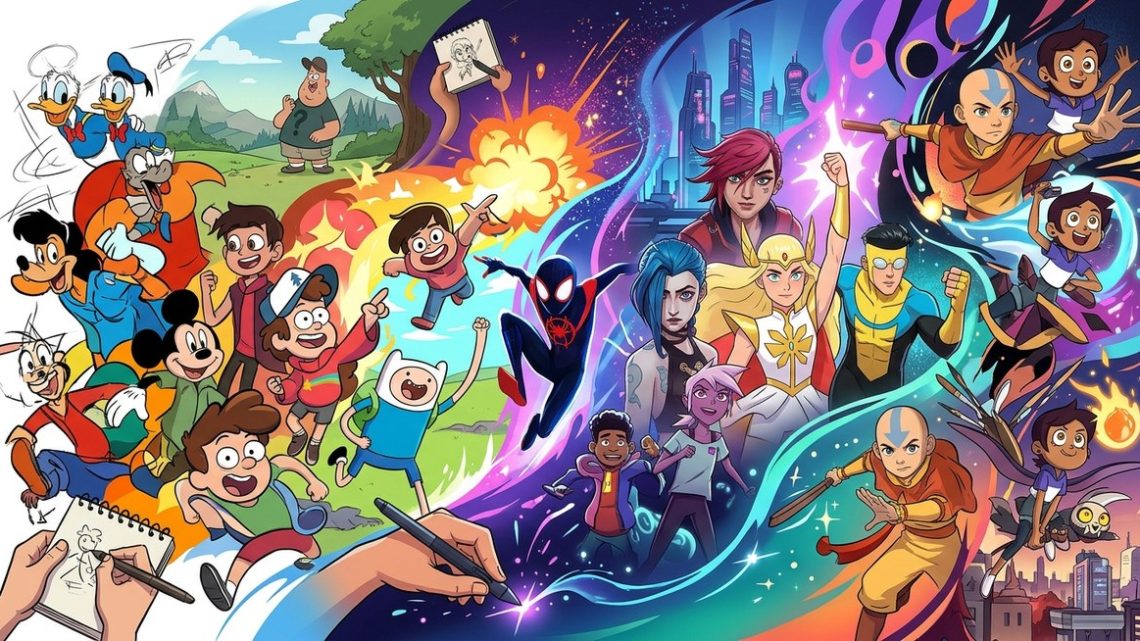
Exploring the Evolution of Animation Styles in Modern Cartoons
Animation has undergone a remarkable transformation over the past century. From hand-drawn classics to cutting-edge digital creations, the style and technique of cartoons reflect both technological advances and cultural shifts. Modern audiences now enjoy a vast array of visual styles, each telling stories in unique ways. Understanding how animation styles have evolved helps fans, students, and professionals appreciate the artistry behind their favorite cartoons.
The evolution of animation styles in modern cartoons showcases a journey from traditional hand-drawn art to highly sophisticated digital techniques, driven by technological advances and changing artistic visions. This progression has expanded creative possibilities and transformed how stories are told visually in animated media.
The roots of traditional animation and its influence
Traditional animation, often called cel animation, laid the foundation for all subsequent styles. It involved drawing each frame by hand on transparent sheets called cels, which were then photographed and compiled into moving images. Iconic studios like Disney perfected this craft with classics such as “Snow White” and “Fantasia.” These works emphasized fluidity, expressiveness, and detailed artistry, establishing a visual language that still influences animation today.
The charm of hand-drawn animation lies in its craftsmanship. Artists could imbue characters with personality through expressive line work and vibrant color palettes. However, this method was labor-intensive and costly, prompting the industry to seek more efficient techniques.
The rise of digital and computer-generated styles
The late 20th century marked a significant shift with the advent of digital tools. Computer-generated imagery (CGI) revolutionized how cartoons are produced. Studios like Pixar pioneered this transition, bringing stories like “Toy Story” to life with fully digital characters and environments.
Digital animation offers numerous advantages. It allows for complex visual effects, dynamic lighting, and detailed textures that traditional methods can’t easily replicate. This has enabled creators to craft more immersive worlds and visually stunning narratives. Popular modern cartoons like “Adventure Time” and “Gravity Falls” blend digital techniques with artistic styles that mimic traditional looks, creating a bridge between old and new.
The influence of stylistic diversity in modern cartoons
Today, animation styles are as varied as the stories they tell. Some cartoons maintain a hand-drawn aesthetic, emphasizing sketchy lines and watercolor textures, reminiscent of classic cartoons. Others embrace minimalist designs, using simple shapes and bold colors for a stylized look.
Anime has also influenced modern Western cartoons, bringing a distinctive visual language characterized by expressive eyes, dynamic action, and detailed backgrounds. Shows like “Avatar The Last Airbender” exemplify how blending different styles can produce compelling visual storytelling.
This diversity reflects a broader cultural acceptance of multiple artistic voices. The rise of independent animators and online platforms has fostered experimental styles, such as oil painting-like animation or collage-based visuals, pushing the boundaries of what constitutes a cartoon.
Key techniques shaping modern animation styles
Understanding the various techniques helps clarify how modern cartoons achieve their distinctive looks. Here are some common approaches:
| Technique | Description | Common Mistakes |
|---|---|---|
| Hand-drawn animation | Traditional drawing frame-by-frame, often digitized now | Overly stiff movement, inconsistent line quality |
| Rotoscoping | Tracing over live-action footage for realism | Loss of stylization, excessive reliance on live footage |
| Stop motion | Manipulating physical objects frame-by-frame | Choppy motion, lighting inconsistencies |
| Digital painting | Using software to create painterly textures | Over-saturation, lack of contrast |
| Vector art | Clean, scalable shapes and lines | Flat appearance, lack of depth |
“Combining different animation techniques can create visually engaging content that appeals to diverse audiences,” advises animation expert Lisa Becker.
Practical steps to understand and appreciate style evolution
If you want to explore how animation styles have developed, consider these steps:
- Study classic cartoons to grasp the fundamentals of hand-drawn animation.
- Compare early CGI works with contemporary digital cartoons to see technological advancements.
- Analyze stylistic choices in modern series, noting influences from various cultures or art movements.
- Experiment with techniques using animation software to see how different styles are achieved.
- Follow industry trends and attend animation festivals or online webinars to stay updated.
The impact of technology on animation creativity
Advancements in technology have unlocked unprecedented creative freedom. High-powered computers, motion capture, and real-time rendering enable artists to craft intricate worlds efficiently. As a result, the boundary between traditional art and digital innovation continues to blur, giving rise to hybrid styles.
For example, “Oil painting animation” combines classic painting techniques with digital tools, creating a textured, artistic look. Such innovations allow creators to express stories in ways that resonate visually while maintaining their unique voice.
Missteps to avoid when exploring animation styles
While experimenting with styles can be exciting, certain pitfalls can hinder the visual quality:
- Relying solely on one technique limits artistic expression.
- Overusing digital effects can make visuals look sterile or overly processed.
- Ignoring the importance of storytelling in favor of style diminishes audience engagement.
- Failing to adapt styles to the narrative’s tone can create dissonance.
Here’s a quick comparison table to clarify techniques and common mistakes:
| Technique | Mistakes to avoid |
|---|---|
| Hand-drawn | Stiff movement, inconsistent lines |
| Rotoscoping | Excessive reliance, loss of style |
| Stop motion | Choppy frames, poor lighting |
| Digital painting | Flatness, over-saturation |
| Vector art | Lack of depth, overly simplistic |
The future of animation styles
Looking ahead, the evolution of animation styles is driven by emerging technologies like virtual reality and artificial intelligence. These tools will allow creators to craft immersive experiences that adapt to viewer interactions. As tools become more accessible, we can expect a surge of innovative styles blending traditional artistry with digital experimentation.
Moreover, community-driven platforms nurture a global exchange of styles. Independent animators are pushing boundaries with styles like oil paint textures or collage animation, further enriching the visual landscape of modern cartoons.
How to stay inspired and keep up with style shifts
Keeping your creative spark alive involves:
- Regularly watching new and classic cartoons.
- Participating in online communities or courses.
- Trying out different techniques yourself.
- Analyzing what makes each style effective for storytelling.
- Attending industry events or following leading studios’ work.
By staying curious, you’ll better appreciate the artistic choices behind each cartoon and perhaps develop your own style.
A fresh perspective on animation’s visual journey
The evolution of animation styles in modern cartoons is a testament to how artistic expression adapts to technological advances and cultural shifts. From hand-drawn classics to digital masterpieces, each style reflects a different era’s creative spirit. Recognizing this journey enhances your viewing experience and deepens your appreciation for the craft.
Next time you watch a cartoon, notice the visual nuances. Think about how the style supports the story. With this understanding, you’ll see animation not just as entertainment but as a vibrant art form continually reshaped by innovation.
Applying the art of style in your own work
Whether you’re an aspiring animator or a passionate fan, appreciating the diverse styles can inspire your projects. Experiment with blending techniques, seek feedback, and don’t shy away from trying new visual approaches. The evolution of animation styles reminds us that creativity knows no bounds — your unique voice can contribute to this ongoing visual story.
Happy animating!