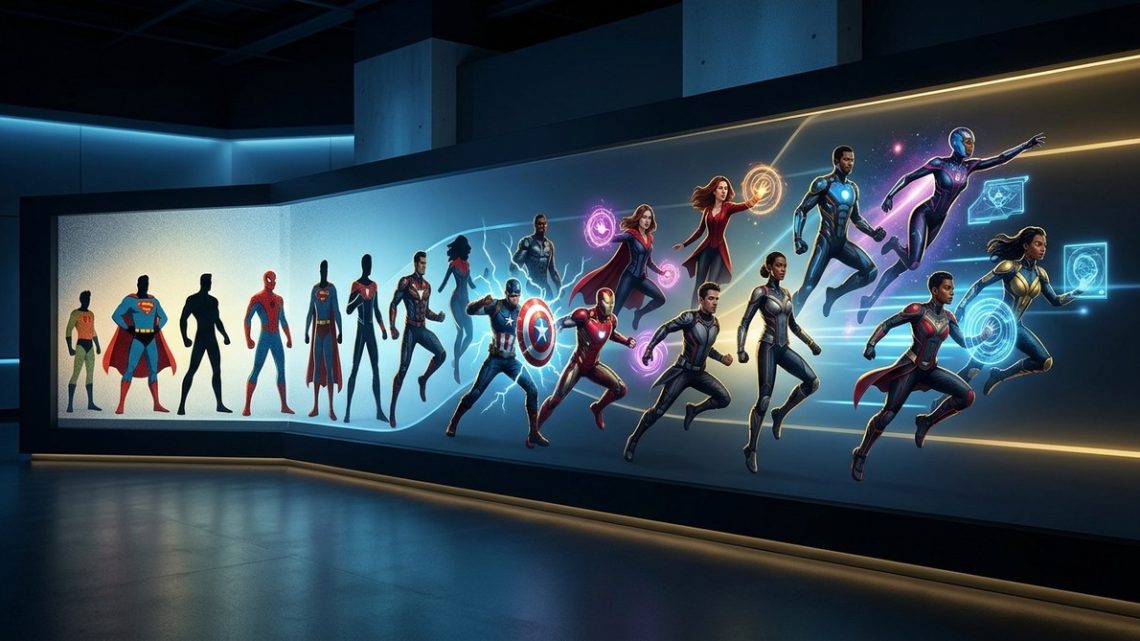
The Evolution of Superhero Films: What Fans Can Expect in the Next Decade
Superhero films have become a defining genre of modern cinema. From their humble comic book origins to billion-dollar blockbusters, these stories continue to captivate audiences worldwide. As technology advances and audience tastes shift, the way these movies are made and experienced is transforming rapidly. The next decade promises even more exciting developments, pushing the boundaries of storytelling, visuals, and genre blending. This article takes a close look at the evolution of superhero films and what fans can expect as the genre continues to grow.
The evolution of superhero films reflects advances in technology and changing audience preferences, promising innovative storytelling, diverse characters, and immersive experiences in the next decade.
The Roots of Superhero Cinema and How They Still Influence Today
Superhero movies did not start with the blockbuster hits of the 21st century. Their roots trace back to early comic strips, serials, and television shows. The 1940s marked the debut of the first superhero serials like “The Adventures of Captain Marvel,” which laid the groundwork for the genre’s future. As the years progressed, iconic characters like Batman and Superman made their way onto the big screen, setting the stage for the genre’s rise.
During the 1960s and 1970s, television adaptations kept superhero stories in the public eye while featuring lighter tones and campy humor. The 1980s and 1990s saw a shift towards darker, more complex narratives with films like “Batman” (1989) and “X-Men” (2000). These movies introduced audiences to more nuanced characters and darker themes, paving the way for what would become the modern superhero era.
The Marvel Cinematic Universe and Its Impact on the Genre
The early 2000s heralded a new era with the launch of the Marvel Cinematic Universe (MCU). Starting with “Iron Man” in 2008, Marvel crafted interconnected stories across multiple films, creating a shared universe that fans could immerse themselves in. This strategy proved wildly successful and set a new standard for franchise filmmaking.
The MCU’s approach to character development, visual effects, and storytelling showed how superhero films could be both commercially successful and critically acclaimed. It also encouraged studios to develop their own shared universes, leading to other franchises like the DC Extended Universe and beyond.
Technological Innovations Changing How Superhero Stories Are Told
Advances in visual effects and CGI have transformed superhero films. The ability to create realistic, jaw-dropping action scenes and fantastical worlds has become standard. Motion capture technology, like that used for characters such as Thanos or Groot, allows filmmakers to bring to life characters that were once impossible to realize on screen.
Virtual production techniques, including real-time rendering and LED walls, are making it easier to shoot complex scenes efficiently. These innovations enable filmmakers to craft immersive worlds that feel more authentic and engaging.
Techniques and Mistakes in Visual Effects
| Techniques | Mistakes to Avoid |
|---|---|
| Real-time rendering | Overusing CGI leading to a “video game” look |
| Motion capture | Ignoring actor performances for visual perfection |
| Virtual production | Neglecting practical effects that add realism |
Shifting Narrative Styles and Character Diversity
The future of superhero films is about more than just stunning visuals. Audiences crave diverse stories and characters that reflect a broad spectrum of experiences. Recent films have begun to feature more inclusive casts and explore themes like mental health, identity, and social justice.
Storytelling styles are evolving from traditional hero-villain conflicts to more nuanced narratives. Films like “Black Panther” and “Ms. Marvel” show how cultural representation can enrich stories, making them more relatable and meaningful.
Audience Engagement and New Formats
The way fans consume superhero content is changing. Streaming platforms like Disney+ and HBO Max offer new avenues for storytelling outside the traditional theatrical release. These platforms enable more character-driven stories, spin-offs, and limited series that deepen the universe.
Augmented reality (AR) and virtual reality (VR) experiences are also emerging. These technologies allow fans to step into hero roles or explore superhero worlds firsthand, creating a more interactive experience.
Practical steps for fans and creators:
- Stay updated with new releases on streaming platforms.
- Engage with fan communities for insights and theories.
- Support diverse films that push genre boundaries.
The Role of Franchise Building and Cross-Media Storytelling
The trend of building expansive franchises continues to grow. Films, TV shows, comics, and video games now form interconnected worlds that keep fans engaged across multiple media. This approach helps maintain interest and allows for storytelling that is richer and more layered.
Upcoming projects are likely to focus on expanding lesser-known characters and exploring new genres within the superhero framework. For example, superhero horror or noir-inspired stories are gaining momentum.
What Fans Can Expect From the Coming Years
Looking ahead, the evolution of superhero films will be driven by several factors:
- Technological breakthroughs will push visual boundaries.
- Storytelling diversity will foster more inclusive narratives.
- Franchise expansion will integrate more media formats.
- Global influences will introduce new cultural perspectives.
As the genre continues to grow, expect more experimental films that challenge traditional superhero tropes, blending genres like science fiction, horror, and comedy.
“The future of superhero films lies in their ability to adapt and innovate. Combining cutting-edge technology with compelling storytelling will keep the genre fresh and exciting,” says film critic Laura Martinez.
How To Prepare for the Next Wave of Superhero Films
For enthusiasts eager to stay ahead of the curve, here are some practical tips:
- Keep an eye on upcoming releases announced at major events like Comic-Con or CinemaCon.
- Follow directors and studios pushing genre boundaries.
- Read comics and graphic novels to deepen your understanding of characters and origins.
- Experiment with fan theories and discussions online to engage with the community.
- Support films and projects that focus on diversity and innovation.
The Power of Fan Creativity and Community
The evolution of superhero films is not just about studios and technology. Fans play a vital role in shaping the genre’s future. Fan art, cosplay, and online discussions foster a vibrant community that celebrates creativity and advocacy for diverse stories.
Participating in fandom communities can also influence studios to prioritize representation and fresh storytelling approaches. Your voice matters in shaping what superhero films become.
A New Chapter for Superhero Cinema
The coming decade promises a dynamic shift in superhero films. As technology continues to advance, storytelling becomes more inclusive, and audiences demand richer experiences, the genre is poised for exciting innovations. Whether through groundbreaking visuals, diverse characters, or new formats, superhero cinema is set to remain a vital part of entertainment.
Take this as an invitation to stay curious, support diverse stories, and share your passion. The future of superhero films is bright, full of potential, and waiting to be explored.
Happy watching and creating. The next wave of superhero stories is just around the corner.